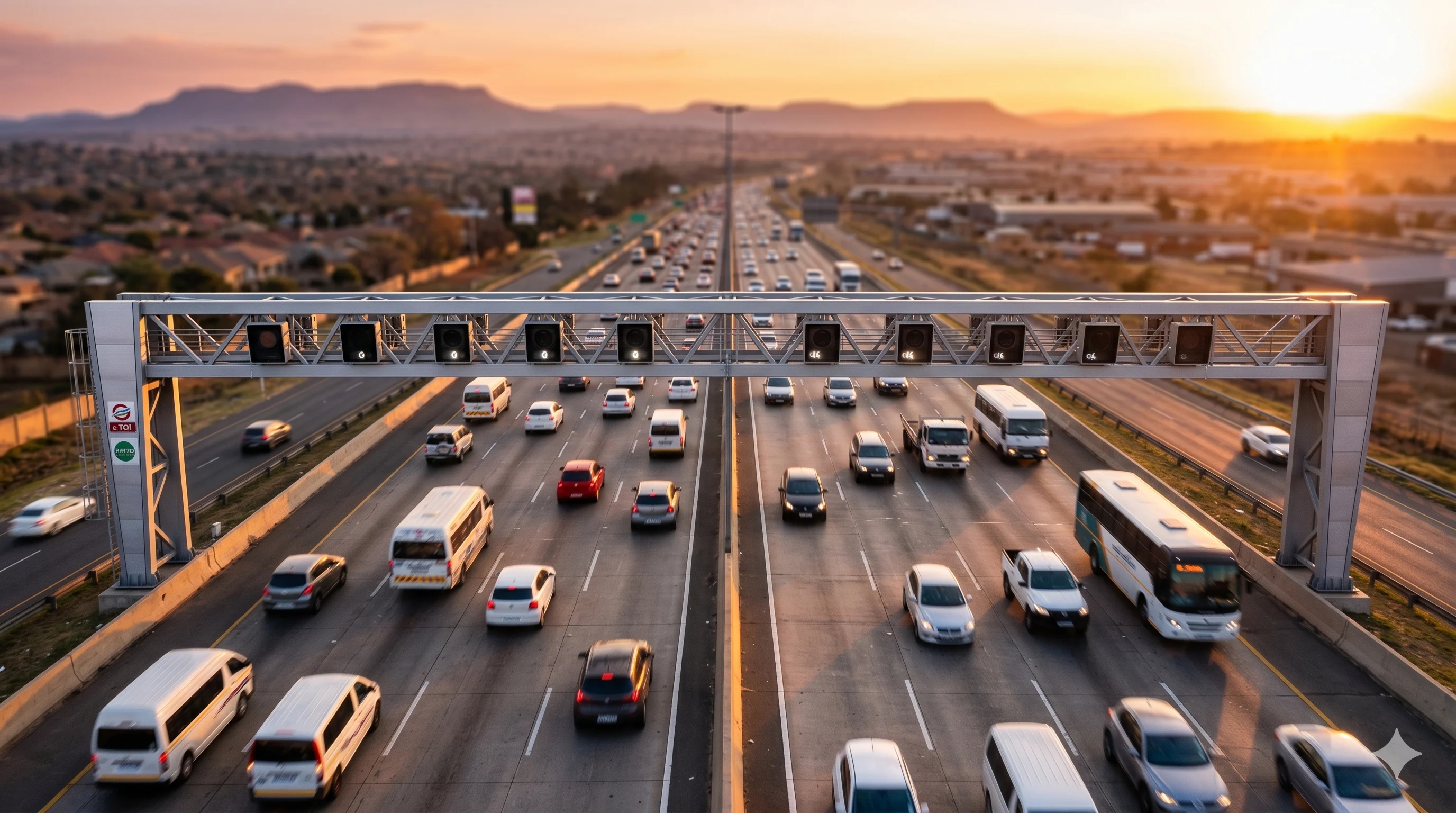
AI enforcement: what the new smart cameras are watching
New AI traffic cameras in South African metros use advanced machine learning and high-definition infrared sensors to detect seatbelt violations and mobile phone usage while driving. These smart systems capture clear images through windscreens without a flash and send the data directly to the National Traffic Information System (eNATIS) for real-time fine processing. Because these sensors are "invisible," motorists often only realise they have been caught when the official AARTO notice arrives via SMS or email.
What you will learn
The specific driving behaviours that new AI cameras monitor in 2026.
How infrared technology allows cameras to see inside your car without a flash.
The process of how AI data is sent to the RTMC for fine issuing.
Differences between traditional speeding cameras and 2026 smart sensors.
How to verify if an AI-generated fine is legitimate or a scam.
The rise of AI traffic enforcement in 2026
Traffic enforcement in South Africa has changed significantly over the last year. In 2026, major metros like Johannesburg, Pretoria, and Cape Town have moved away from simple speed traps. The focus has shifted toward "smart enforcement," which uses computer vision to identify dangerous driving habits.
These new cameras are not just looking at how fast you are travelling. They are trained to recognise the shape of a smartphone held to an ear or a seatbelt that is not clicked into place. This shift is part of the broader AARTO rollout strategy to reduce road fatalities by targeting the leading causes of accidents: distraction and lack of safety restraints.
How smart cameras catch mobile phone users
In the past, catching a driver using a mobile phone required a traffic officer to physically stop the vehicle. In 2026, AI-powered sensors installed on overhead gantries and bridges do this work automatically. These cameras take multiple high-resolution photos as you pass under them.
The AI software looks for specific patterns, such as the position of a driver’s hands or the glow of a screen. If the system detects a phone in use, it flags the image for a human reviewer to confirm. This ensures that the evidence is solid before a fine is issued. According to the Road Traffic Management Corporation (RTMC), this technology has led to a major increase in fines for distracted driving in Gauteng.
The process from camera capture to your phone
The AI sensor detects a potential violation (phone use or seatbelt) as the vehicle passes.
An infrared, high-definition image is captured, which clearly shows the interior of the car.
The system identifies the vehicle registration plate using Automatic Number Plate Recognition (ANPR).
The encrypted data is sent to the National Traffic Information System (eNATIS)for verification.
An official AARTO infringement notice is generated and sent to the owner via their registered contact details.
Seatbelt violations and "invisible" infrared sensors
Many motorists are surprised to receive a fine for not wearing a seatbelt when they did not see a camera flash. Modern AI cameras in 2026 use infrared light, which is invisible to the human eye. This allows the camera to see through tinted windows and dark interiors without distracting the driver or alerting them to the camera's presence.
These sensors are particularly active in Cape Town and along the N1 and N3 highways. The goal is to enforce safety compliance 24 hours a day, regardless of lighting conditions. If you are travelling without your seatbelt, the camera will record the offence even in the middle of the night.
Comparison: traditional cameras vs. 2026 AI sensors
Synchronisation with the RTMC national database
One of the most important aspects of the 2026 enforcement system is the connection between local municipal cameras and the national database. In the past, a fine in one province might take months to show up in another. Now, the AI cameras are connected directly to a central hub managed by the RTMC.
When a camera in Midrand catches a violation, the data is pushed to the official AARTO website systems almost instantly. This real-time link means that your demerit points are updated much faster. It also makes it easier for you to check your status on our platform’s fine check tool shortly after a trip.
Privacy and the law: is AI evidence legal
Some motorists worry about the privacy of their passengers when these high-definition images are taken. South African law has been updated to support the use of AI evidence, provided it follows the Protection of Personal Information Act (POPIA).
The images captured by AI cameras are encrypted and only accessible by authorised officials. The technology is specifically designed to blur the faces of passengers while keeping the driver and the violation clear. This balance ensures that the state can enforce the law while respecting the privacy of those not involved in the offence.
How to manage AI-generated fines
Because these fines are issued automatically, you might find that you have accumulated several before you even realise you are doing something wrong. The best way to manage this is to check your driving record every week. By using a modern fine management portal, you can see these "invisible" fines before they turn into enforcement orders.
If you believe an AI camera has made a mistake, you still have the right to submit a representation. For example, if the camera mistook a wallet for a phone, you can view the high-resolution evidence on the AARTO portal and file a dispute. Providing your own evidence, like a hands-free car kit installation certificate, can help your case.
Checklist for handling a new smart fine
Log into a verified fine portal using your ID number.
Download the high-resolution image provided by the AI sensor.
Verify that the date, time, and vehicle registration are correct.
Check if you qualify for the 50% early payment discount.
Settle the fine immediately to avoid demerit points affecting your licence.
Impact of AI enforcement on fleet management
For business owners and fleet managers, these new cameras represent a significant change in risk management. A single driver who constantly uses their phone can now rack up thousands of Rands in fines in a single day. In 2026, company proxies must be even more diligent about nominating the correct driver for every vehicle.
If a company vehicle is caught by an AI camera and no driver is nominated, the company faces a much higher fine. Furthermore, the constant stream of data from these cameras allows fleet managers to identify high-risk drivers and provide training before a serious accident occurs.
FAQ on AI traffic cameras in South Africa
Can the new cameras see through tinted windows
Yes, the infrared technology used in 2026 smart cameras can penetrate most standard window tints to clearly capture the driver’s actions inside the cabin.
How much is the fine for using a mobile phone in 2026
Under the current AARTO regulations, the fine for using a mobile phone while driving is R500, and it adds one demerit point to your driving licence.
Do I get a notification as soon as the AI camera catches me
While the processing is fast, it is not instant. You will usually receive an SMS or email notification within 48 to 72 hours once the human reviewer has confirmed the AI data.
Can I be fined for a passenger not wearing a seatbelt
Yes, the owner or driver of the vehicle is responsible for ensuring all passengers are buckled up. AI cameras can detect if a front-seat passenger is not wearing a seatbelt.
Are these AI cameras only in Johannesburg and Cape Town
While these two metros have the highest density of smart cameras, the technology is being expanded to Durban, Gqeberha, and major national highways like the N1 and N3.
Summary
The introduction of AI-powered traffic cameras in 2026 marks a new chapter for South African road safety. These smart sensors go beyond speed detection to target distracted driving and seatbelt compliance with high-definition, infrared precision. By being connected to the RTMCand eNATIS systems, these cameras ensure that enforcement is fast and comprehensive. Motorists should stay informed by regularly checking their fine status and ensuring they follow all safety rules to avoid demerit points and licensing blocks.
Stay ahead of the new smart cameras. Enter your ID number on our secure portal today to see if you have any "invisible" AI fines and settle them before your next licence renewal.